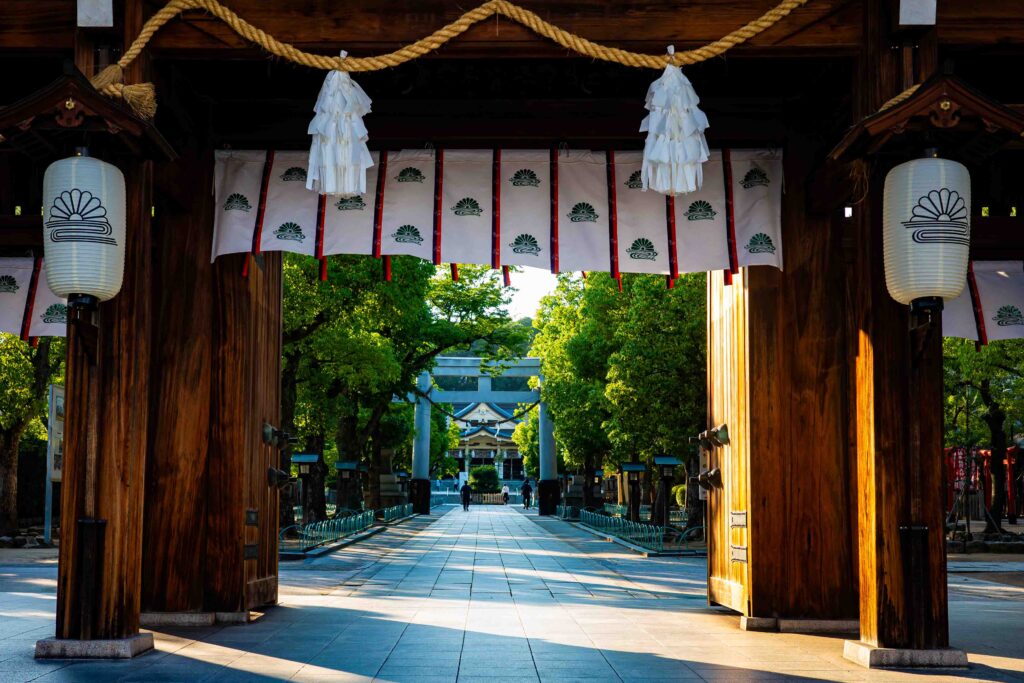
A Welcoming International City for Patients and Families
Kobe is one of Japan’s most international and livable cities. Nestled between the sea and the mountains, Kobe combines advanced healthcare, cultural diversity, outstanding food, natural beauty, and a comfortable living environment.
For international patients, medical treatment is only one part of the journey. Patients and accompanying family members often spend weeks or even months in Japan during consultation, treatment, recovery, and follow-up care. Kobe offers an ideal environment for these extended stays, providing safety, convenience, international accessibility, and a welcoming atmosphere for people from around the world.
As an international port city with a history of global exchange dating back more than 150 years, Kobe has developed a unique multicultural character that distinguishes it from many other cities in Japan.
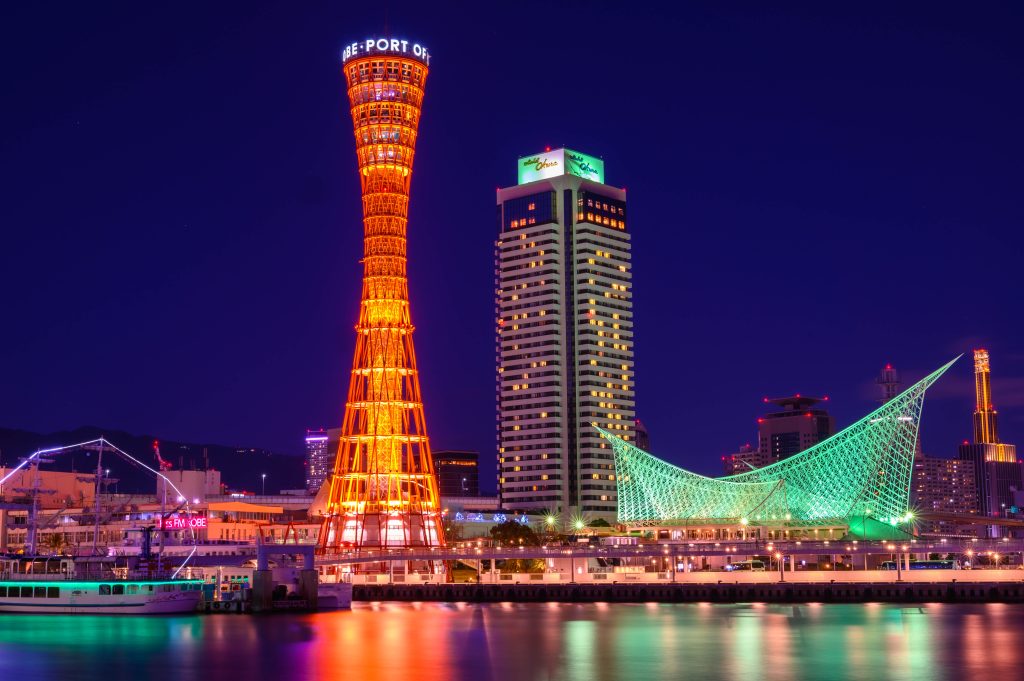
Comfortable for Long-Term Medical Stays
Kobe is particularly well suited for patients and families who require an extended stay in Japan.

The city offers:
- Safe and clean neighborhoods
- Reliable public transportation
- International hotels and serviced apartments
- Shopping centers and daily necessities
- Convenient access to healthcare facilities
- A comfortable urban environment that is easy to navigate
Compared with larger metropolitan areas, Kobe provides a more relaxed atmosphere while maintaining all the services expected of a major international city.
Many international visitors appreciate Kobe’s balance between modern convenience and quality of life.
Japan’s principal gateways to the world
Since the opening of Kobe Port in 1868, Kobe has served as one of Japan’s principal gateways to the world. Foreign merchants, diplomats, educators, and entrepreneurs helped shape the city, creating a culture that values international exchange and diversity. Today, residents from many countries and regions contribute to Kobe’s multicultural character, making it one of Japan’s most internationally minded cities. This spirit of openness can be seen throughout the city, from its architecture and cuisine to its educational institutions, healthcare facilities, and international communities.

A Diverse International Community
Kobe is home to residents from across Asia, Europe, North America, the Middle East, and many other regions.
Communities from Vietnam, China, Korea, India, Nepal, Indonesia, the Philippines, and numerous other countries contribute to the city’s cultural richness.
For international patients and their families, this diversity creates a welcoming environment where people from different backgrounds can feel comfortable during their stay.
Vietnamese Community and Lifestyle Support
Kobe is home to one of the largest Vietnamese communities in Western Japan.
Vietnamese restaurants, grocery stores, cafés, and specialty shops can be found throughout the city. Vietnamese ingredients and familiar foods are readily available, helping patients and families maintain their preferred diet during their stay.
Vietnamese cultural events and community activities are regularly held in Kobe, reflecting the strong relationship between the city and Vietnam.
For Vietnamese patients and accompanying family members, this familiarity can make long-term stays significantly more comfortable.
Muslim-Friendly Environment
Kobe has a long history of welcoming visitors from Muslim-majority countries and continues to develop a supportive environment for Muslim residents and travelers.
The city offers:
- Halal-friendly restaurants
- Halal-certified restaurants
- International grocery stores
- Prayer facilities at selected locations
- Muslim-friendly services
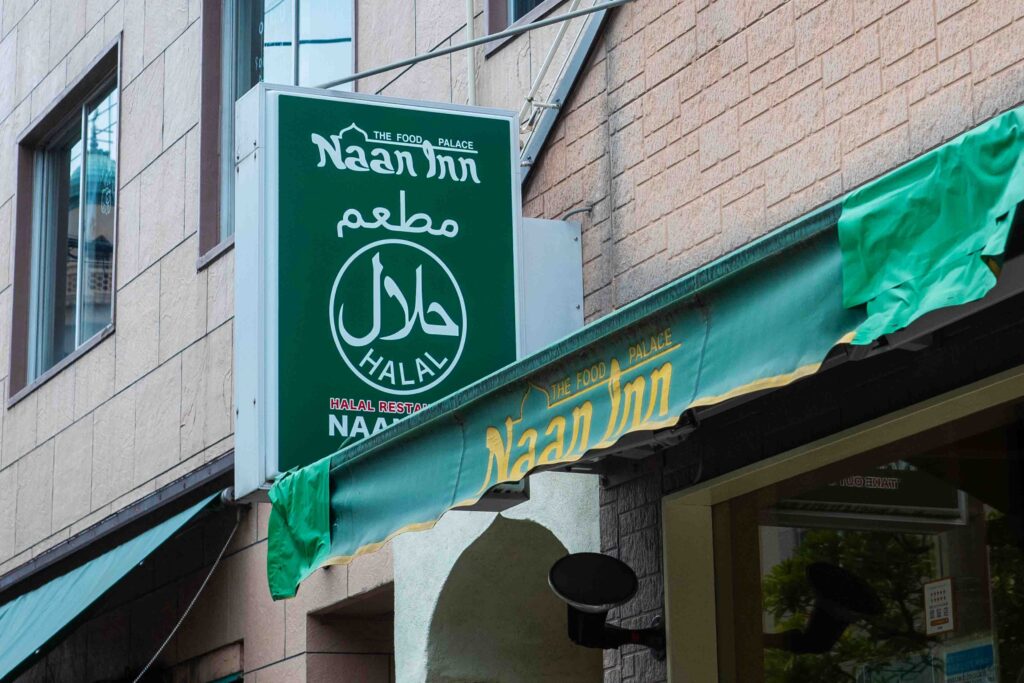
Visitors from Southeast Asia, South Asia, and the Middle East often find Kobe particularly accommodating because of its international atmosphere and growing halal infrastructure.
Kobe Muslim Mosque
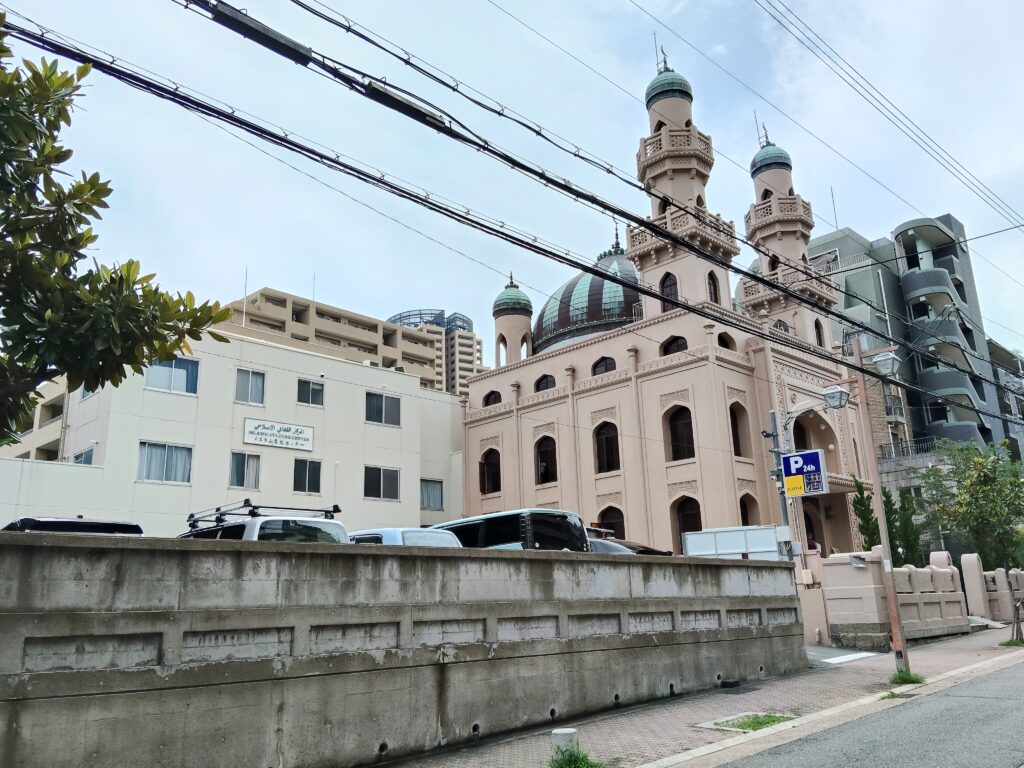
The Kobe Muslim Mosque is Japan’s first mosque, established in 1935. Located in the historic Kitano district, it remains an active center of worship and community life.
Remarkably, the mosque survived both the Second World War air raids and the Great Hanshin-Awaji Earthquake of 1995.Today, it welcomes worshippers and visitors from around the world and stands as a symbol of Kobe’s long tradition of international exchange, cultural diversity, and religious tolerance.
International Food Culture
As an international port city, Kobe offers one of the most diverse culinary environments in Japan.
Visitors can enjoy a wide range of cuisines, including:
- Japanese
- Chinese
- Korean
- Vietnamese
- Thai
- Indian
- Nepalese
- Indonesian
- Filipino
- Middle Eastern
- European
- North American
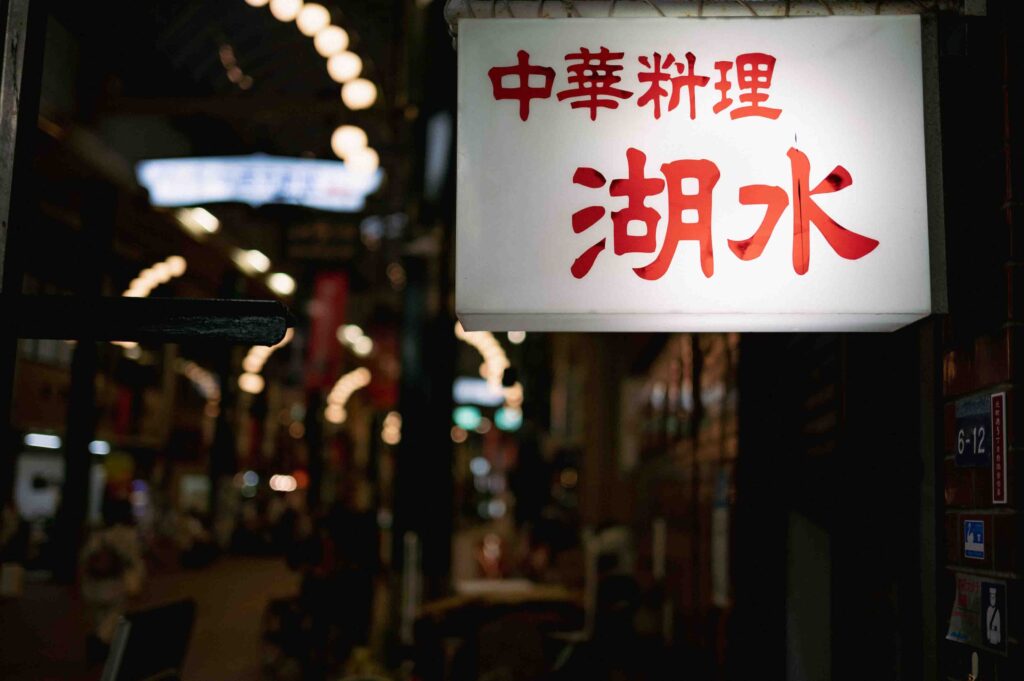
Numerous international grocery stores and specialty food markets are also available throughout the city.
Patients and family members can often find foods and ingredients that are familiar from home, helping maintain comfort during treatment and recovery.
Convenient Access from Around the World
KKobe is easily accessible through multiple airports serving the Kansai region. International travelers can arrive via Kansai International Airport (KIX), one of Japan’s major international gateways, or through Kobe Airport (UKB), which offers an increasing number of international flights to and from major Asian destinations.
For domestic travel, Osaka International Airport (Itami Airport, ITM) provides convenient connections to cities throughout Japan.
Patients and visitors can travel between these airports and Kobe by airport limousine bus, ferry, rail, taxi, or private transportation. The city’s transportation network makes it easy to reach hospitals, hotels, shopping districts, and tourist destinations.
Major cities such as Osaka, Kyoto, Nara, Hiroshima, and Tokyo are also readily accessible from Kobe, making the city an ideal base for both medical care and accompanying family members exploring Japan.

A Center of Medical Innovation
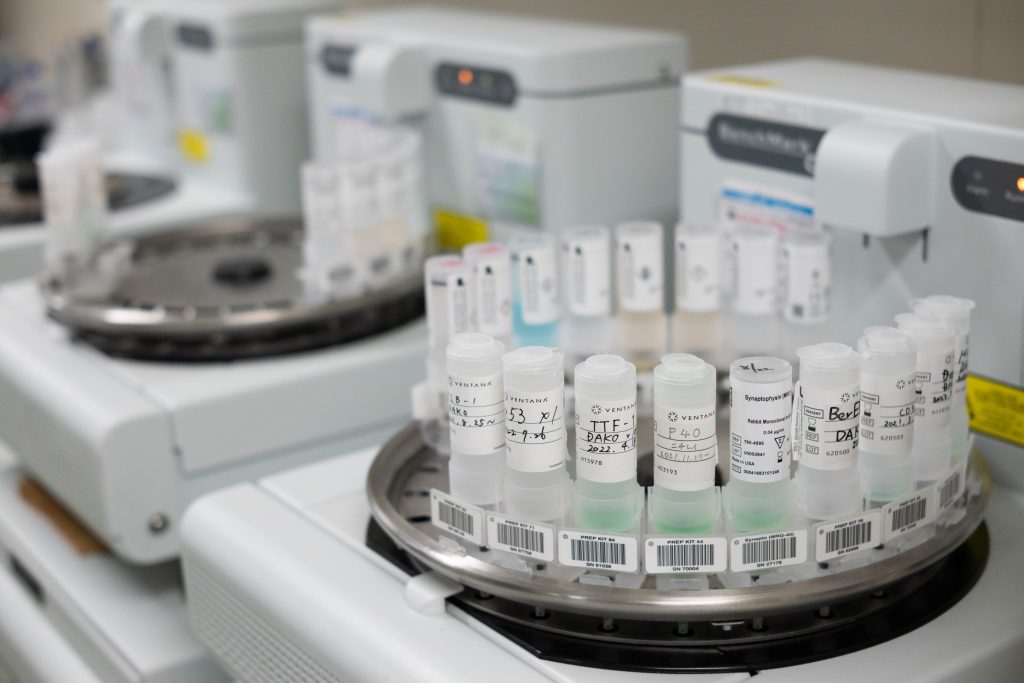
Kobe is one of Japan’s leading centers for medical research, healthcare innovation, and life sciences.
The Kobe Biomedical Innovation Cluster brings together hospitals, universities, research institutes, biotechnology companies, and government organizations in a unique ecosystem dedicated to advancing healthcare.
This concentration of expertise supports cutting-edge medical care and contributes to the city’s reputation as a center of innovation.
Kobe Beef – A World-Renowned Culinary Experience
Kobe Beef is internationally recognized as one of the world’s most prestigious beef products.
Produced from carefully selected Tajima cattle raised in Hyogo Prefecture under strict standards, Kobe Beef is celebrated for its exceptional marbling, tenderness, and flavor.
Visitors can experience authentic Kobe Beef at restaurants throughout the city, from traditional steakhouses to fine dining establishments.
For many international guests, enjoying Kobe Beef in its birthplace becomes one of the highlights of their visit.
Konamono & Teppanyaki Culture
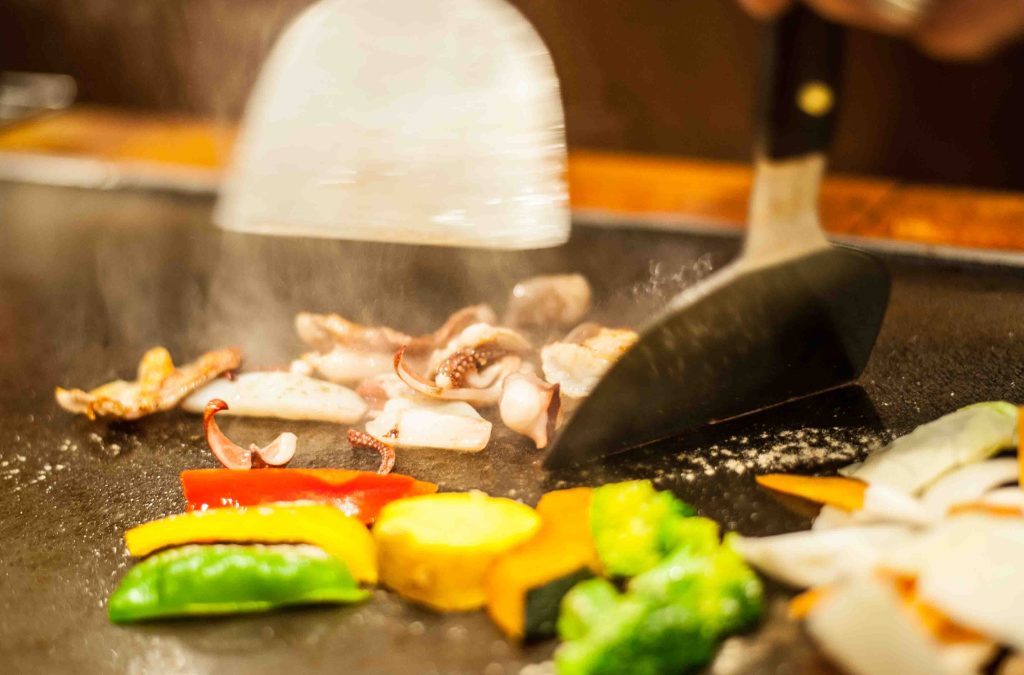
Alongside Osaka, Kobe is part of Japan’s renowned konamono food culture. Local specialties include okonomiyaki and bokkake-yaki, a regional variation featuring slow-cooked beef and konjac. Kobe also has a rich teppanyaki tradition, ranging from casual neighborhood eateries to premium restaurants serving Kobe Beef. While sharing culinary roots with neighboring Osaka, Kobe has developed its own distinctive styles and flavors that reflect the city’s unique history and culture.
Nada Sake – Japan’s Premier Sake Region
The Nada district of Kobe is Japan’s largest and most famous sake-producing region.
For centuries, the area’s combination of premium rice, pure water from the Rokko Mountains, and skilled craftsmanship has produced some of Japan’s finest sake.
Visitors can tour brewery museums, learn about traditional brewing methods, and experience an important aspect of Japanese culture.
Arima Onsen – One of Japan’s Oldest Hot Springs
Located in the mountains north of Kobe, Arima Onsen is one of Japan’s oldest and most celebrated hot spring resorts.
Its unique mineral-rich waters have attracted visitors for more than a thousand years.
Traditional inns, beautiful seasonal scenery, and a peaceful atmosphere make Arima a popular destination for relaxation and recovery.
Mount Rokko – Mountains Above the Sea
One of Kobe’s most distinctive features is the close proximity of mountains and sea. Mount Rokko rises directly behind the city and offers spectacular panoramic views of Kobe, Osaka Bay, and the surrounding region.
Visitors can enjoy observation decks, gardens, walking trails, cafés, and one of Japan’s most famous night views.
Kobe Harbor and Waterfront
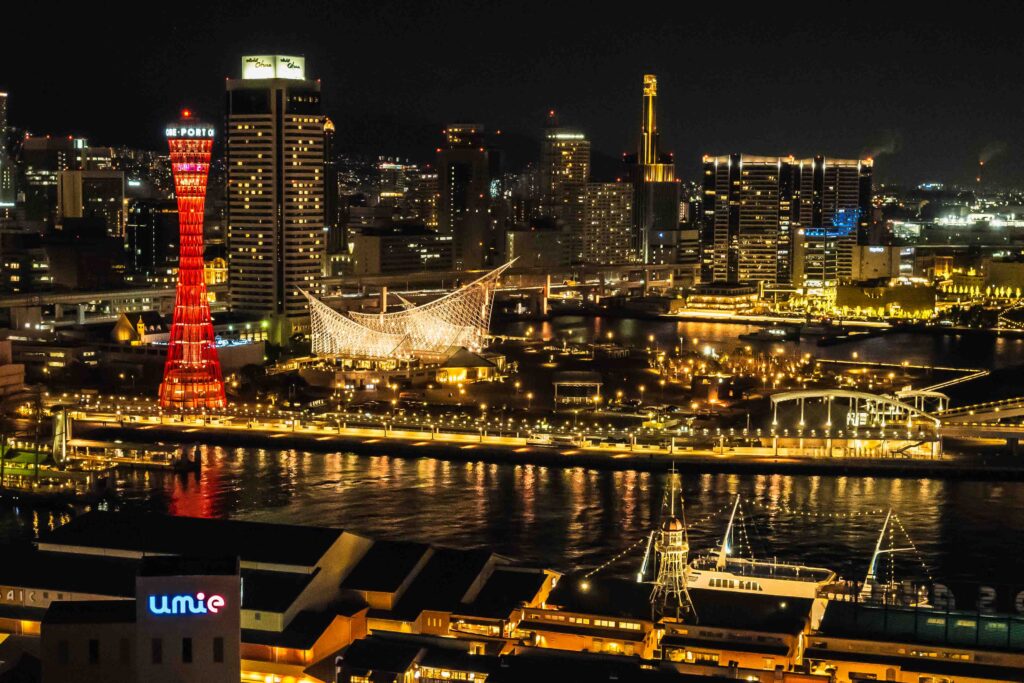
Kobe’s waterfront reflects its history as an international port city.
Meriken Park, Harborland, and the surrounding harbor district offer beautiful views, restaurants, shopping, and relaxing open spaces.
The combination of mountains, sea, and modern architecture creates one of Japan’s most recognizable urban landscapes.
Kitano – The Historic Foreign Settlement Area
The Kitano district preserves many Western-style residences built by foreign merchants and diplomats following the opening of Kobe Port.
These historic buildings, known as Ijinkan, provide a glimpse into Kobe’s international heritage and remain one of the city’s most charming attractions.
Visitors can explore museums, cafés, and picturesque streets that reflect more than a century of cultural exchange.
Nunobiki Herb Gardens
Accessible by ropeway from near Shin-Kobe Station, the Nunobiki Herb Gardens offer seasonal flowers, beautiful landscapes, and sweeping views over the city and harbor.
The gardens provide a peaceful retreat close to the city center and are particularly popular with visitors seeking relaxation and nature.
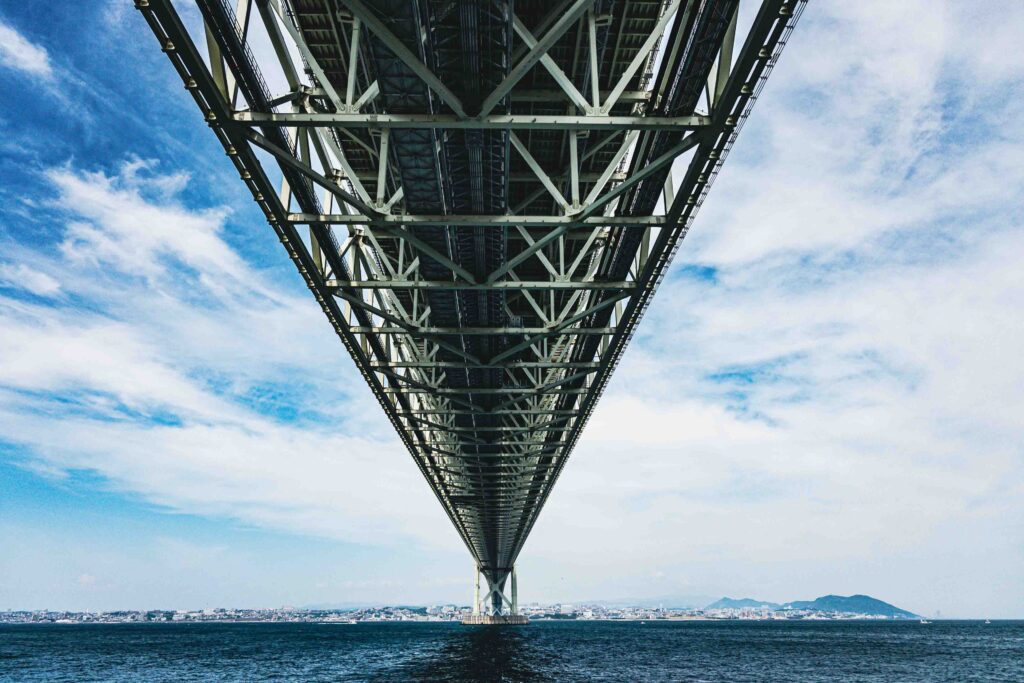
Akashi Kaikyo Bridge
The Akashi Kaikyo Bridge connects mainland Japan with Awaji Island and is one of the world’s longest suspension bridges.
Its impressive scale and elegant design have made it a symbol of modern Japanese engineering and an iconic landmark of the region.
Himeji Castle – A UNESCO World Heritage Site
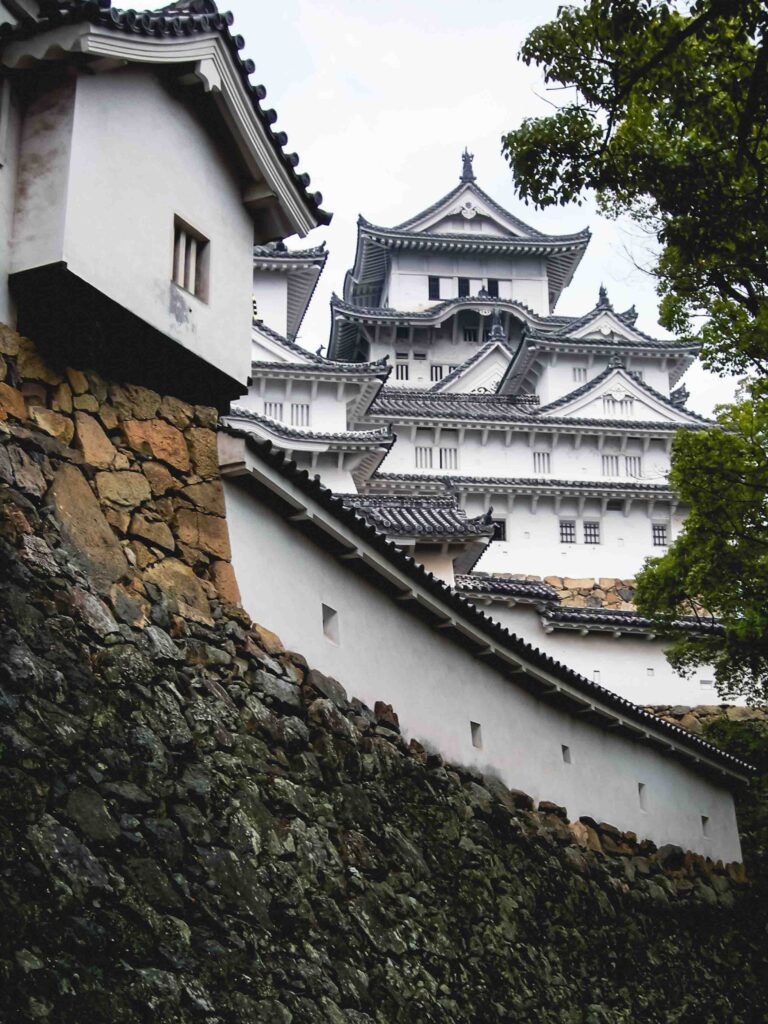
Located less than an hour from Kobe, Himeji Castle is one of Japan’s most famous historical landmarks.
Known for its elegant white appearance and exceptional preservation, it is widely regarded as Japan’s finest surviving castle and is designated as a UNESCO World Heritage Site.
Gateway to Western Japan
Kobe serves as an excellent base for exploring Western Japan.
Nearby destinations include:
- Kyoto
- Osaka
- Nara
- Himeji
- Awaji Island
- Hiroshima
These destinations can be reached conveniently by rail or car, allowing patients and families to experience some of Japan’s most celebrated cultural and historical sites.
A Comfortable Environment for Families
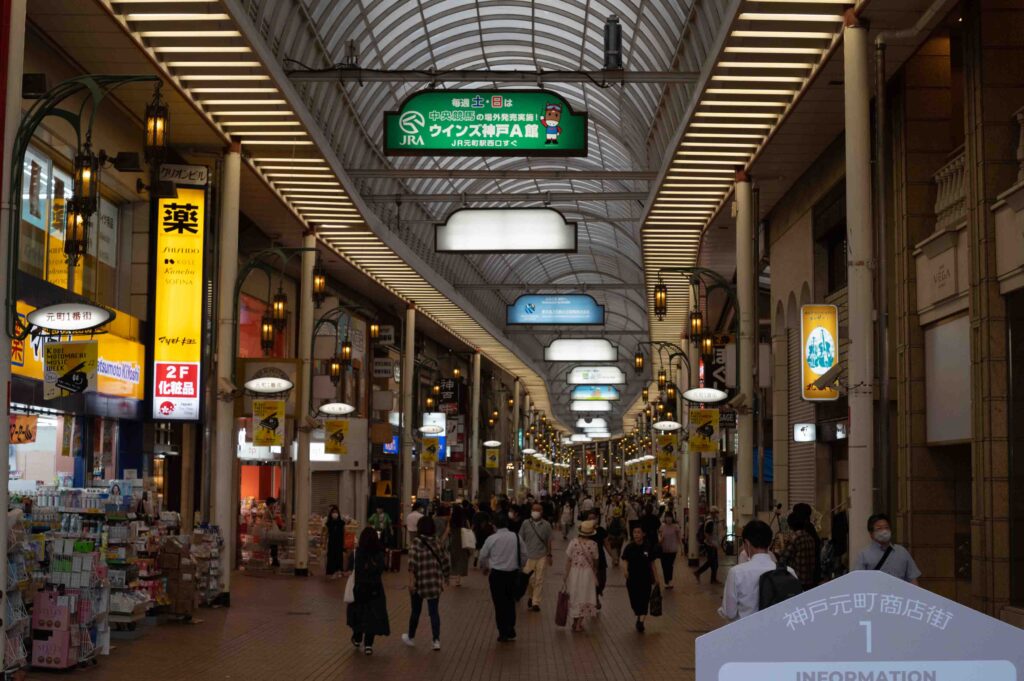
Many international patients travel with spouses, children, parents, or other family members who remain in Kobe throughout treatment.
The city’s safety, accessibility, international food options, shopping facilities, cultural attractions, parks, and welcoming atmosphere help create a comfortable environment for accompanying family members.
Kobe’s manageable size and relaxed pace make daily life easier while still providing the amenities expected of a major international city.
Experience Kobe
Kobe offers far more than medical care.
It offers a safe and welcoming environment where advanced healthcare, scientific innovation, international hospitality, cultural diversity, natural beauty, and world-class cuisine come together.
For patients and families visiting Kobe University Hospital, Kobe provides an ideal setting in which medical treatment and quality of life can coexist.
We look forward to welcoming you to Kobe.