
2024 Academic Year
From May 24 to August 23, 2023, the course focused on learning the fundamentals of the medical device development process—from needs exploration to concept creation—through seven “Needs Exploration Approach” workshops (WS), a hands-on seminar, and a team-building WS.
A total of 15 participants (10 from companies, 3 healthcare professionals, 1 development supporter, and 1 medical student) completed the program.
Rather than one-way lecture style, the course emphasized a workshop-based group work format. Through discussions among team members with diverse expertise and experience, participants were able to practically learn design thinking and related frameworks.
Training Curriculum
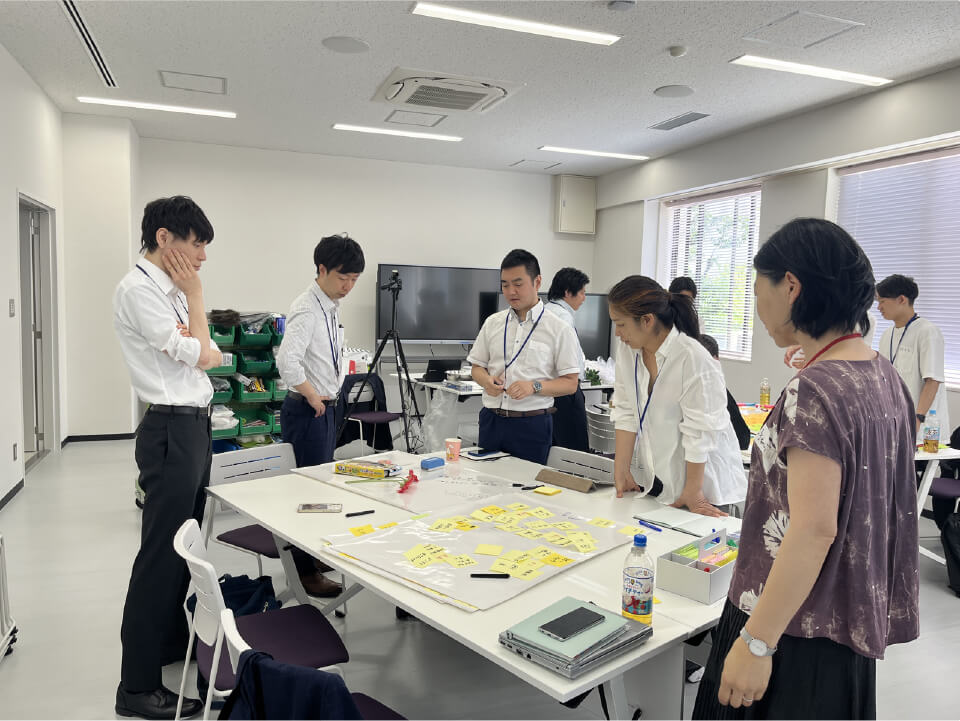
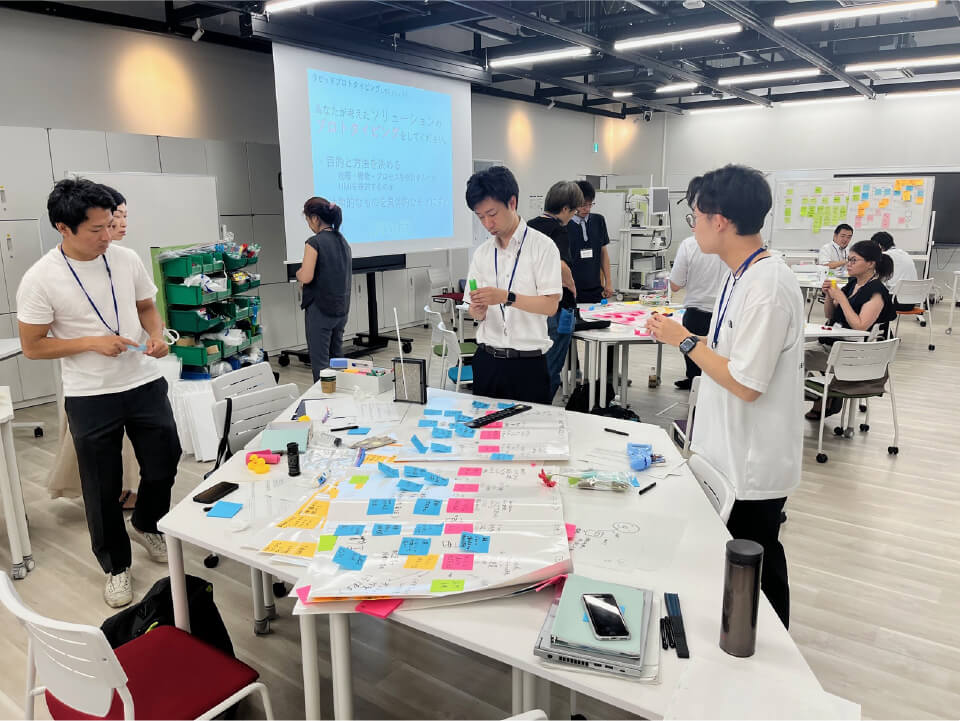
・I realized that even conducting brainstorming can become quite challenging depending on how the problem is framed. I want to be mindful of this when applying it in actual work in the future.
・Receiving feedback from other teams introduced different perspectives and gave us an opportunity to revisit our own ideas, which was very interesting. I felt that constantly taking a bird’s-eye view and repeatedly reviewing and critiquing our ideas helped to further refine them.
・Regarding “facts and interpretations,” after learning about it in lectures and then putting it into practice, I realized that I view things through interpretation more than I had imagined. I think that pointing out each other’s perspectives in group work helped deepen our understanding of the difference between facts and interpretations.
・Through prototyping, I realized that it becomes much easier to share mental images within the team, and it also helps us further develop those ideas. I understood that exchanging opinions within a team is just as important as individual thinking.
・It was valuable to learn about the development process and methods and then apply them in group work.
・Working on the tasks given during the lectures together with participants from different backgrounds allowed me to encounter opinions and ideas different from my own, which was an extremely valuable experience.
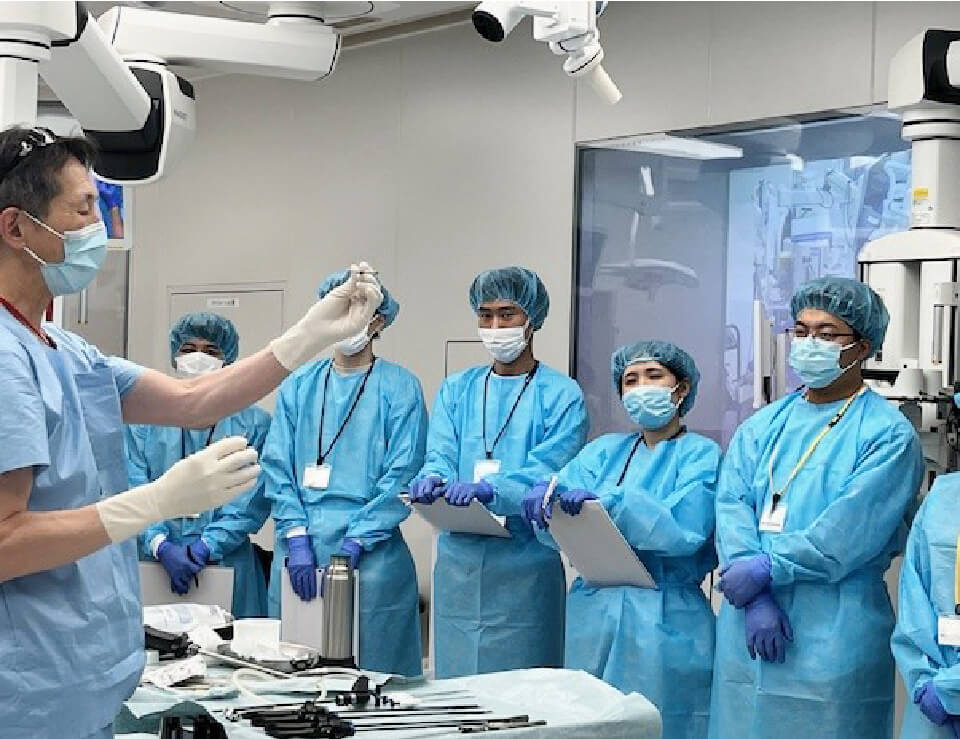
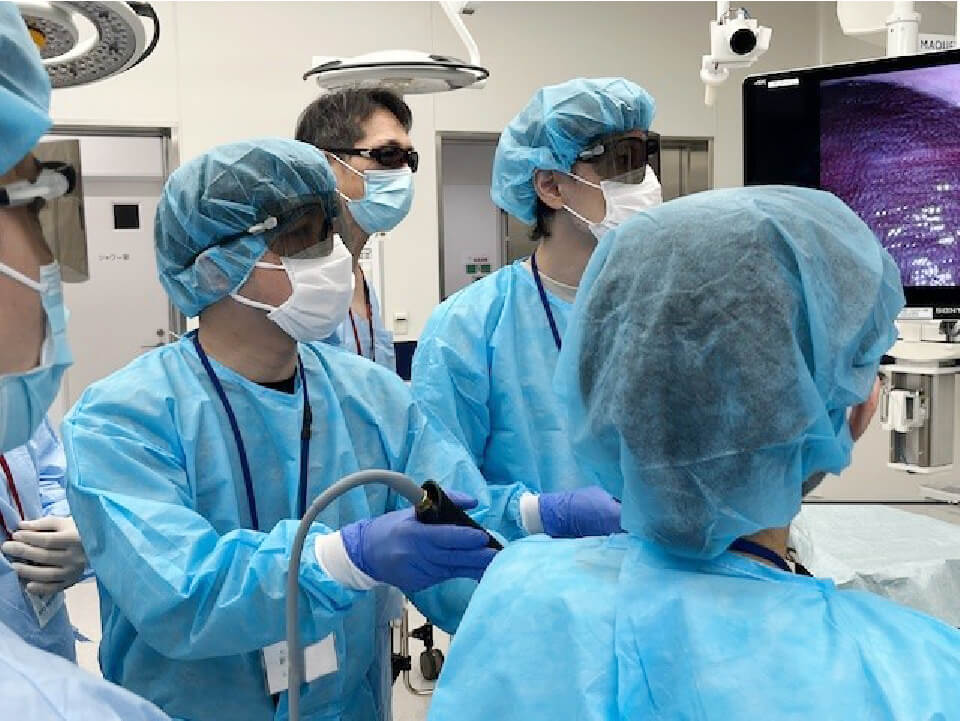
・Since we could not operate while directly viewing the abdominal cavity, the work was challenging and required trial and error. As the instructor mentioned, I personally experienced how important it is to be able to visualize the positions of the organs in one’s mind. Even simple things—such as the camera fogging due to differences in external and intra-abdominal humidity—are not noticed until one experiences them firsthand.
・Performing tasks by viewing a screen rather than directly, and communicating effectively with others performing the same task, are extremely important. From these elements, I realized that reducing the burden on the device user is essential, and the usability of the equipment is very important. While differences in operation between manufacturers are inevitable, I clearly felt significant differences in usability.
・Regarding camera visualization, I found it insightful that once a surgeon becomes accustomed to a certain view, devices with a different visualization (e.g., inverted) may not sell, even if technically feasible. Additionally, I noted that devices like the Cooper, which fit naturally with hand movements, become bestsellers, showing the importance of aligning with natural user motions.
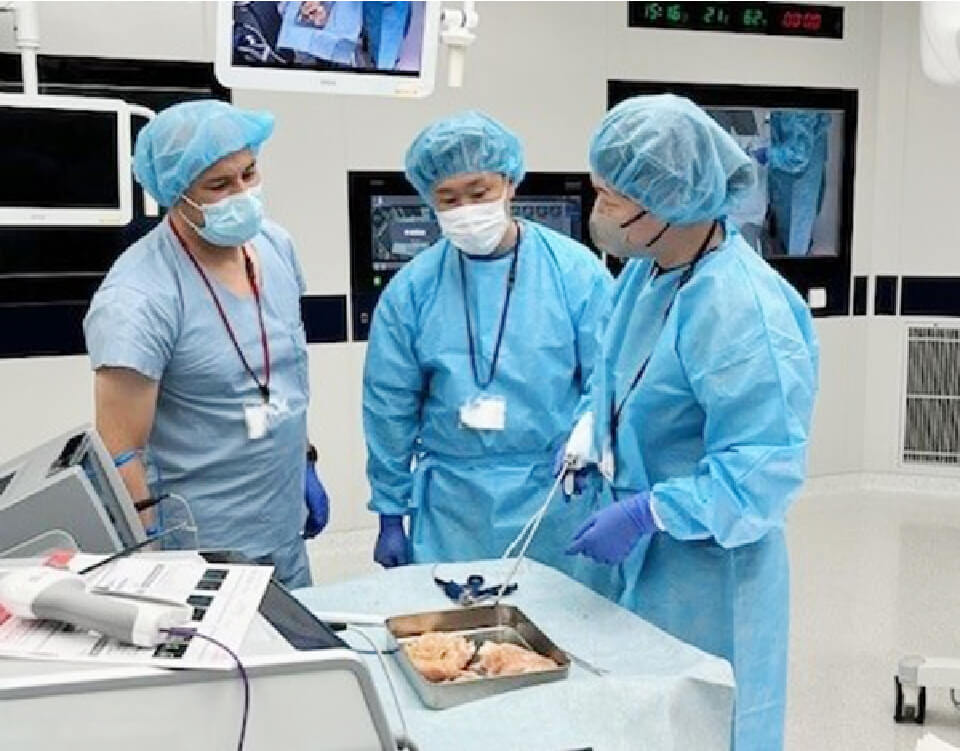
・As a clinical engineer, I am normally responsible for instructing physicians and nurses on the use of electrosurgical devices. During this session, I had the opportunity to receive explanations again, which furthered my learning. Although I have attended manufacturer workshops before, I was surprised at how large the chicken used in the demonstration was. I realized that the size made it easier to understand cutting and coagulation, and the cutting experience felt very good.
・I was impressed by the application of using protein coagulation temperature to perform sealing. The electrosurgical device’s versatility was remarkable. Since the texture of the tissue changes during the process, areas that have changed cannot be reattached. I think the challenge will be to narrow the area that undergoes change.
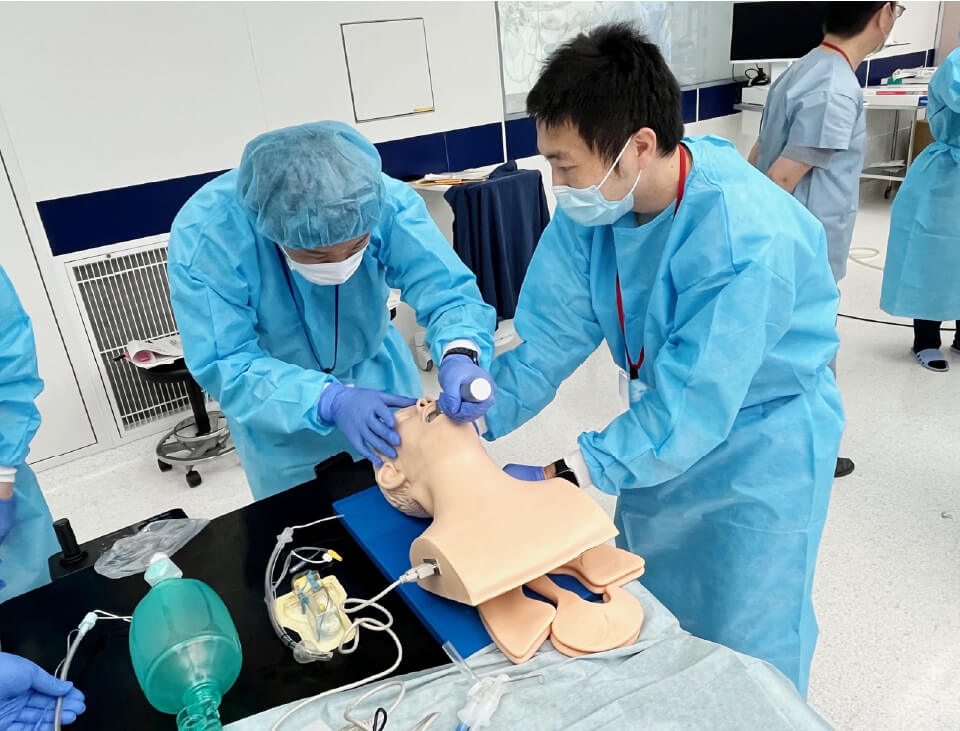
・I struggled to locate the trachea easily. I realized that in emergency situations, where every second counts, proficiency is essential for successful endotracheal intubation. While practice sets are important for learning the procedure, I was surprised at how much smoother the procedure became for me as a beginner simply by using a laryngoscope equipped with a camera and monitor. Focusing on questions such as “What goal do we want to achieve?” and “What problems does the customer face?” made me appreciate the importance of clearly defining a needs statement, as some solutions can be achieved simply by combining existing technologies.
・Regarding smooth tracheal insertion, I experienced firsthand how adding a camera significantly improved visibility of the tracheal opening. While there were differences such as the presence of a camera and a disposable tip, the insertion guide’s shape remained unchanged. I felt that, like surgical forceps, the design has reached an ideal shape for opening the oral cavity.
・In practicing tracheal intubation using a human model, I used both a laryngoscope and a tracheal tube. Intubation is an essential skill in emergencies and surgeries, requiring accuracy and speed. In this context, I recognized the importance of the laryngoscope as a medical device. Comparing the traditional type without a monitor to the latest type with a monitor, I found the monitor-equipped version much easier to use, significantly improving intubation success rates. However, I suspect that experienced clinicians may not use it often. While it has high value for difficult cases or for trainee doctors, the high cost of monitor-equipped laryngoscopes may limit widespread adoption.
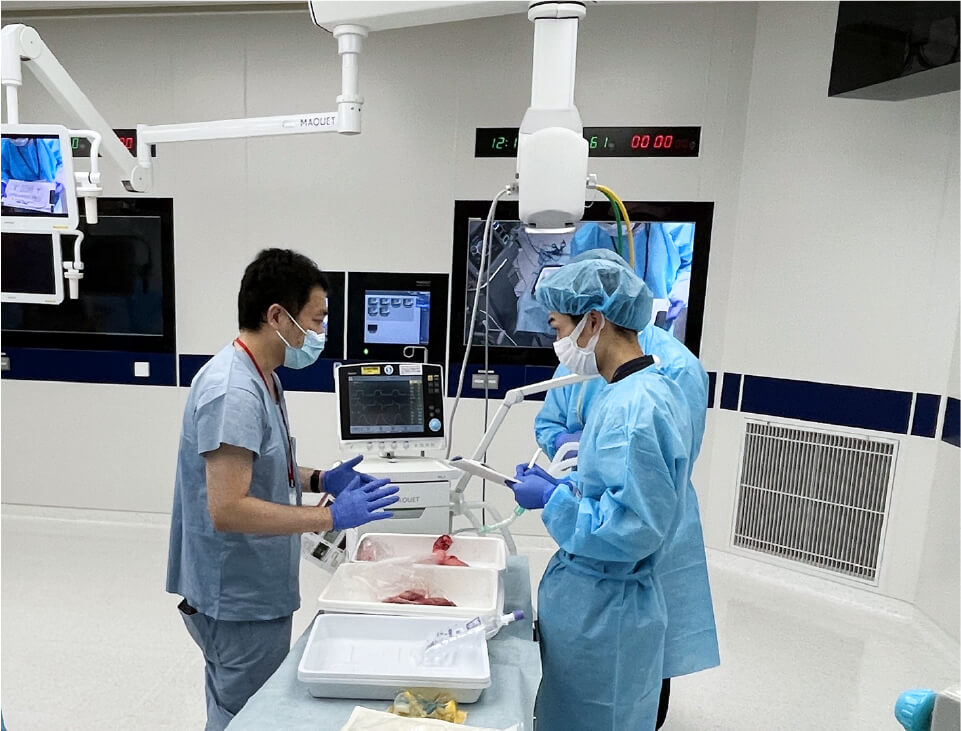
・As a clinical engineer, I use ventilators on a regular basis, but it was great to be able to see with my own eyes what happens to the lungs when ventilation is actually turned on. Even though I had a theoretical understanding of what happens when a patient develops a pneumothorax, being able to actually try it out and see what happens has deepened my understanding of ventilators.
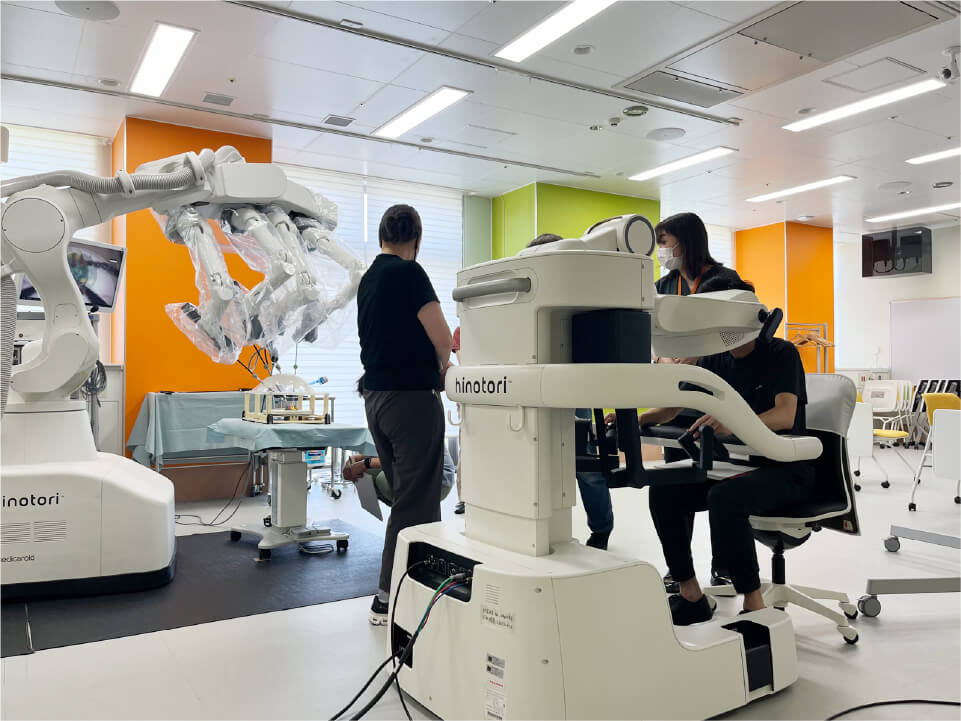
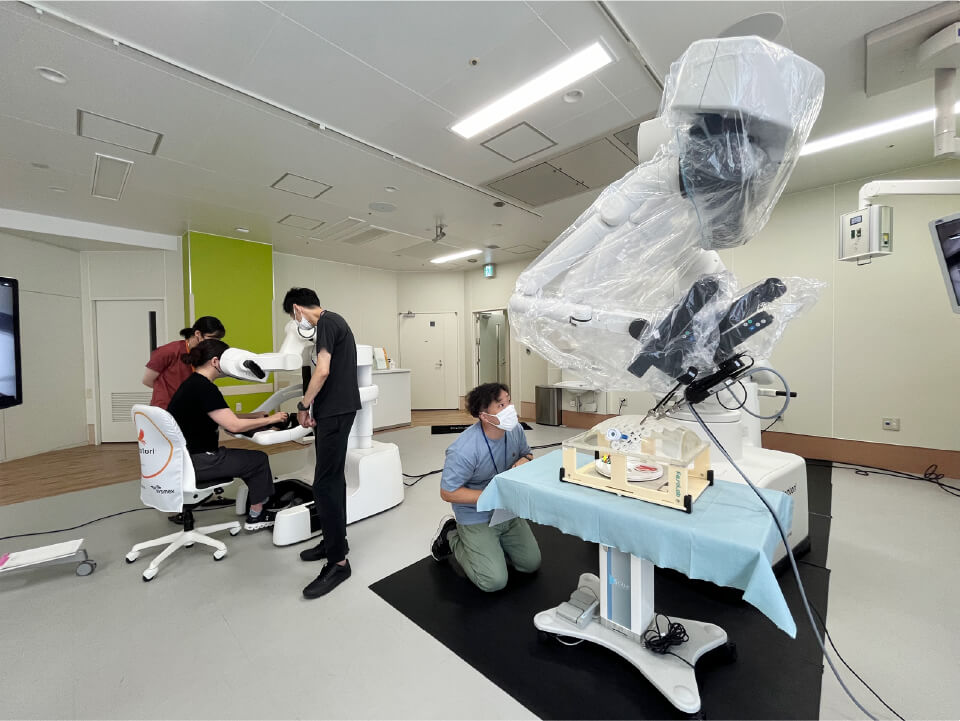
・The hands-on experience with the surgical support robot hinotori™ provided a valuable opportunity to witness cutting-edge technology firsthand. I was impressed by the robot’s precision and high degree of flexibility. Operating the robot felt remarkably intuitive—so much so that even someone like me, with no background in surgery, could likely master the controls with sufficient practice. On the other hand, since there is no tactile or auditory feedback, the operation relies solely on visual information. I imagine that during long surgical procedures, this could result in significant visual fatigue. That said, the system allows detailed adjustments, such as seat position and goggle alignment to suit the operator’s preferred surgical style. I felt that, as a device, hinotori™ has been designed to adapt as much as possible to the needs of the surgeon from a technical standpoint.
・I was truly amazed by how precisely the robot’s movements through the camera matched my own hand motions—so smooth and natural. The operability was also excellent. However, when gripping an object, I couldn’t tell whether I was actually holding it or not, which made me realize how unsettling it must be to perform surgery relying solely on vision. I’ve heard that some robots are now being developed with tactile feedback, and this made me curious about how such mechanisms are structured.
・I was impressed by how precisely the device could reproduce delicate movements.
I had seen the da Vinci system before, and compared to that, hinotori™ felt remarkably compact, clearly designed with Japanese medical facility environments in mind.
・I had often seen or heard about systems like da Vinci and hinotori™ on TV or the internet, but being able to actually experience one firsthand was an incredibly valuable opportunity (I even bragged about it to my colleagues the following week!). As also mentioned in the post-training feedback, I felt that the product would become even better if it could provide a more realistic sense of touch. During the operation, I realized that understanding how to use the system is not enough—hands-on simulation training with the actual machine is essential for developing technical proficiency. This experience also reminded me of the importance of proper use and training, even when handling relatively simple medical devices.
・Even with only a brief explanation, I was able to start using the system right away—it felt very intuitive. Each time I encountered something I didn’t understand or a difficulty during operation, I could quickly find a solution, and I soon felt myself improving with every attempt. I realized that it’s not simply a matter of “performing laparoscopic surgery with a robot,” but rather that robotic surgery enables more advanced and flexible movements—such as articulated motions that are unique to robotic systems. Through this experience, I understood why robotic surgery is such a rapidly evolving and highly focused field in surgical societies today, and why its continued development is essential.
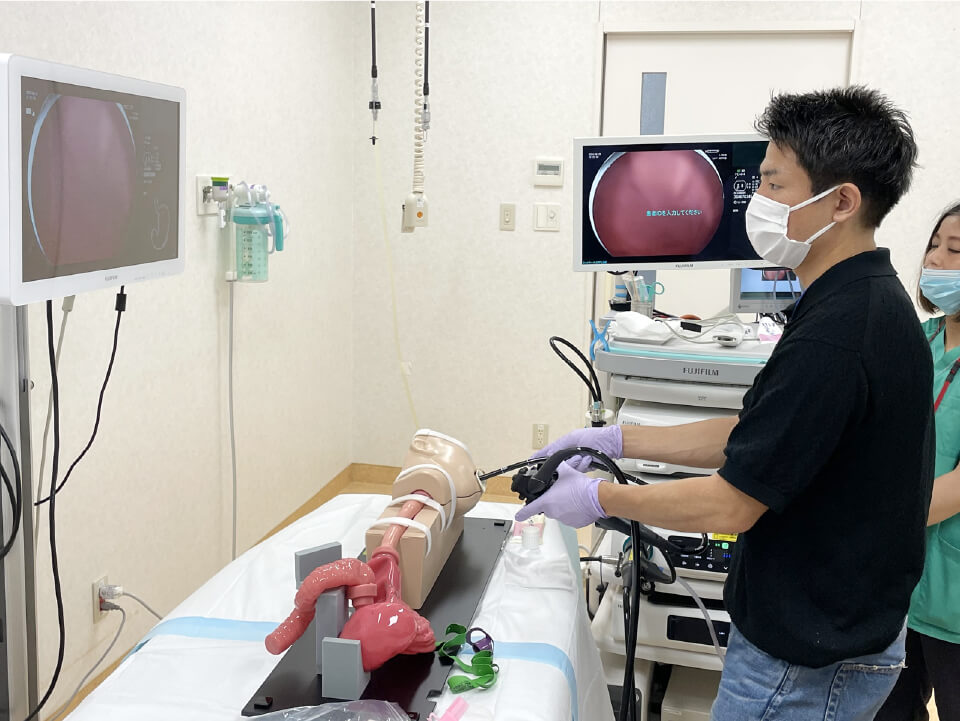
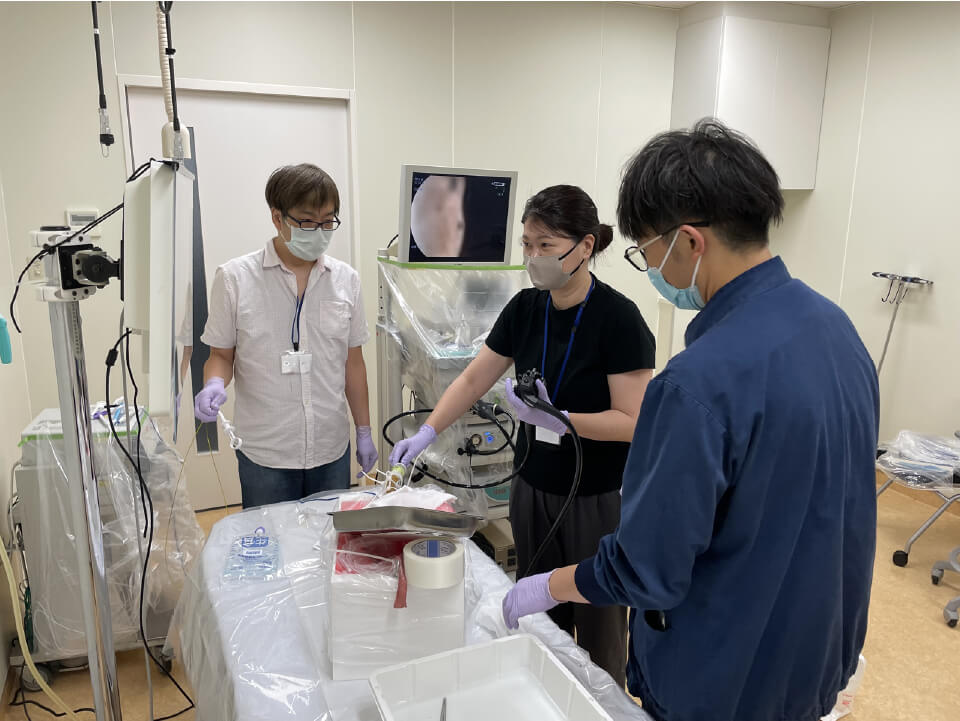
・Although it may appear to be a simple tubular structure at first glance, I was impressed by how versatile it actually is—capable of performing complex procedures such as biopsies and laser cauterization. As a product said to be the first of its kind to be put into practical use in Japan, it truly embodies a distinctly “Japanese” spirit of multifunctionality—“one device that can do everything.
・When I actually passed the endoscope through the stomach, I was surprised to learn that it could make such close contact with the inner wall without issue. Experiencing firsthand what I had only known in theory made me realize the importance of hands-on learning.
・It was my first time handling an endoscope, and I found it quite challenging—my fingers almost cramped! We also discussed the mouthpieces that patients bite during procedures, and I learned that some products sell well while others do not. From a manufacturer’s perspective, I could immediately tell, “This one is well-designed, and it must be expensive.” While cost efficiency is often prioritized for products to be able to be covered by insurance, I realized that even with something as seemingly simple as a molded plastic component, there is still significant potential for innovation and refinement to meet unmet needs.
・I wanted to insert the endoscope all the way to the duodenum, but unfortunately, I couldn’t manage it. I thought it might go in more smoothly if the organ were inflated, but my technique wasn’t quite there yet. I’ve heard that undergoing a gastroscopy has become much easier compared to the past, but watching the process, I couldn’t help thinking how uncomfortable it must still be for the patient. I also felt that it would be easy to miss small findings during such procedures.
I hope that with the advancement of AI and digital technology, endoscopic examinations and diagnoses will become more efficient and accurate in the future.
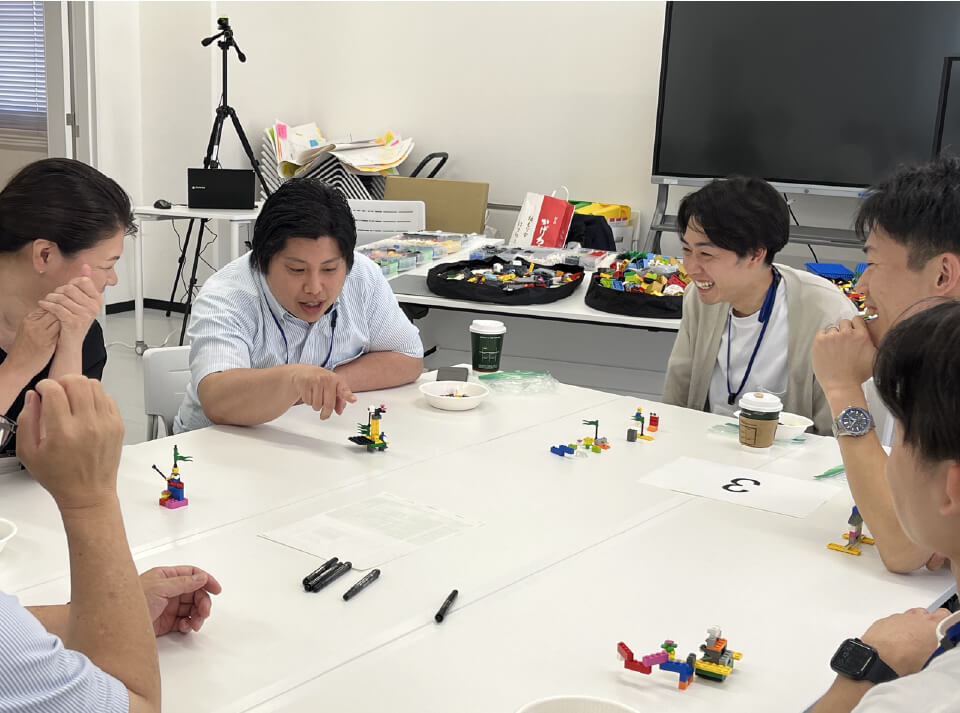
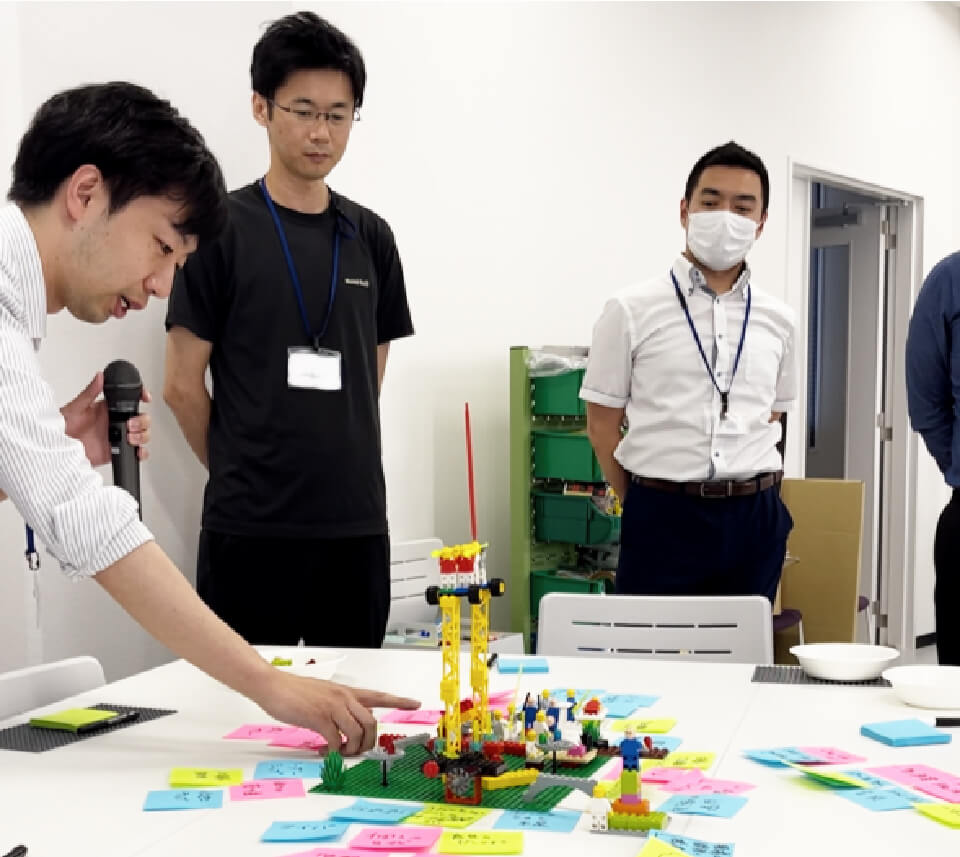
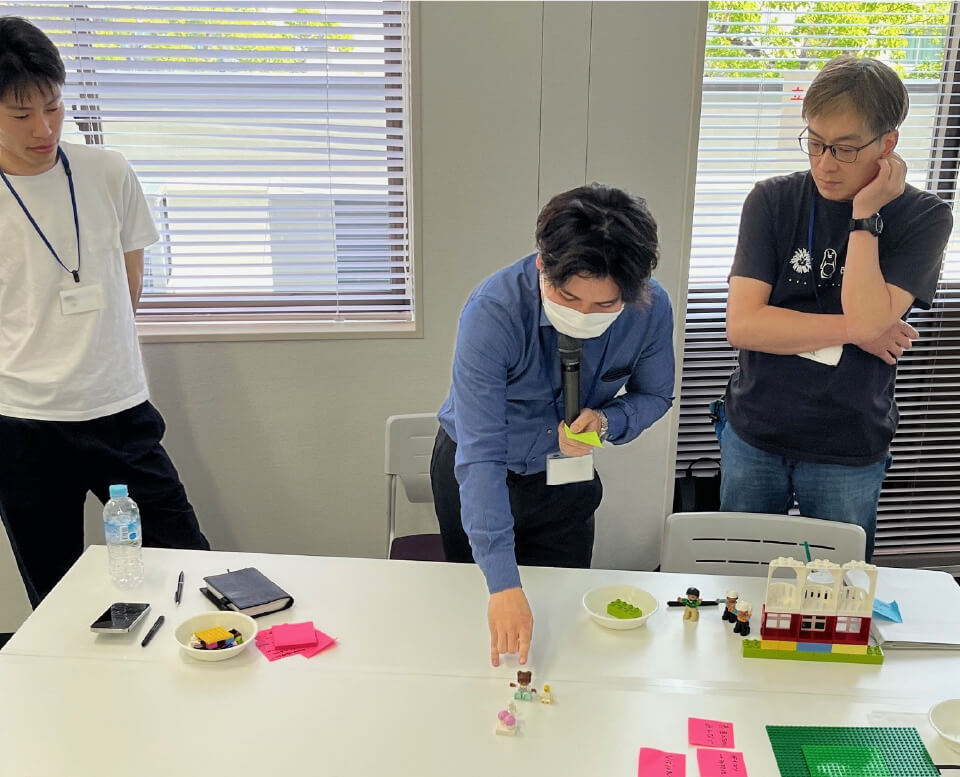
・By using LEGO as a medium, even abstract or hidden feelings that are difficult to express in words took shape, allowing us to open up and communicate more honestly than through words alone.
・As a team-building activity was highly effective as it was done before we started to form strong relationships. In verbal discussions, we often feel we “understand” one another superficially, but by expressing our values through both physical models and words—and by engaging with a mindset of mutual exploration—I was able to truly understand my teammates better.
・Using LEGO bricks to visualize abstract concepts in a concrete, visual form—and then sharing ideas within the team based on those models—was extremely helpful in gaining new perspectives. By giving shape to ideas and emotions that are often difficult to express in words, we deepened our mutual understanding and fostered a stronger sense of unity within the team. This workshop proved highly effective in drawing out ideas and insights that would not typically emerge in ordinary discussions, and I felt that the skills we gained could be very useful in future projects as well. I also appreciated that the environment encouraged equal participation from all members, helping to cultivate a culture of mutual respect and open communication within the team.
・The LEGO workshop was a lot of fun. By giving physical form to the thoughts that usually stay at a subconscious level, I found it fascinating how the process made my thinking visible. It also naturally fostered empathy toward other team members—people with different perspectives—which made it an excellent activity for team building. I felt it was a truly unique and highly effective method. It even made me curious to learn why it works so well—and, honestly, it made me really want to get some LEGO sets of my own!
・The exercise of delivering a speech that logically connects abstract ideas—even through creative reasoning—was extremely interesting. I found it particularly engaging because it also related to communication and sales techniques.
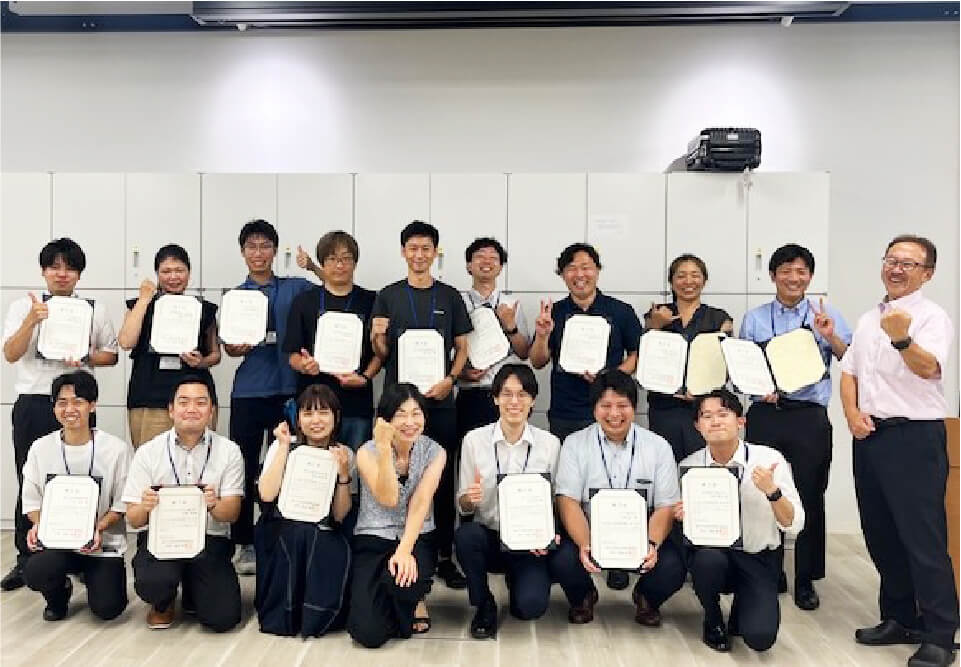
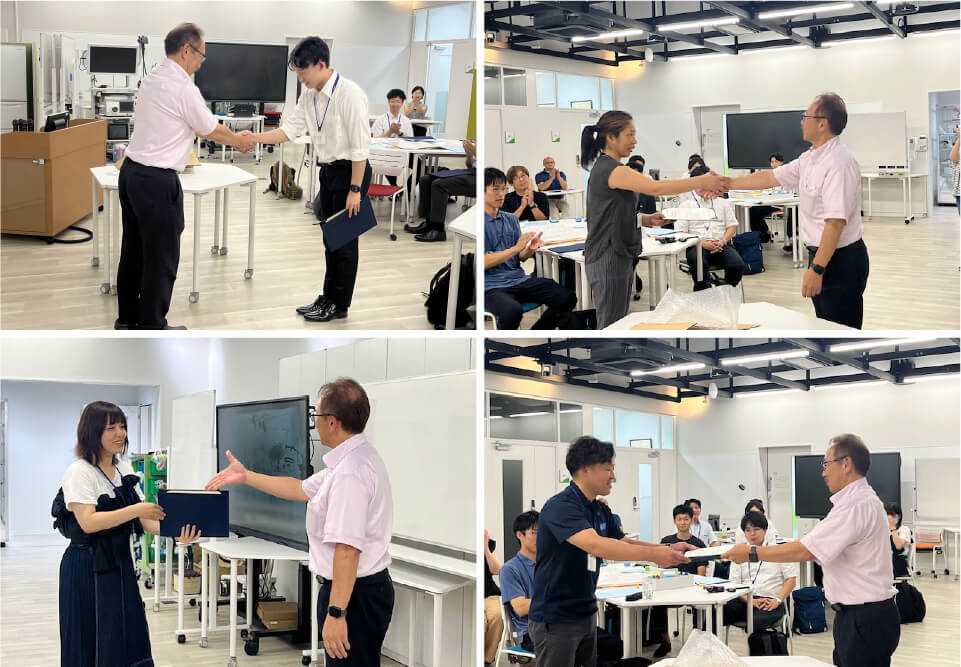
・I learned not to make quick assumptions about others or situations. By expanding on and building upon others’ ideas, I discovered the value of drawing out and integrating diverse perspectives—often leading to new insights that I wouldn’t have noticed on my own.
Through this process, I became more self-aware and intentional in my communication.
・When I first thought about medical device development, I imagined it to be something very specialized or extraordinary. However, I realized that it simply involves unique users and usage environments that include healthcare professionals—there’s really no need to feel intimidated. This was the biggest change in my perspective.
・In my usual work, I often design and develop things independently. Through this program, I learned the importance of actively listening to others, incorporating their ideas, and building on them to generate even better concepts. Going forward, I want to seek input from my colleagues and refine our developments together.
・I realized that observation is not my strong point. This awareness encouraged me to consciously look around more and integrate new insights that feel fresh to me. I also began making sure that everyone in my department’s meetings says at least one thing, no matter how small. I hope to create an environment where people feel comfortable speaking up.
・I often found myself judging others based on their words and actions, almost as if I were testing them. Through this program, I came to realize that what people say or do doesn’t always reflect their true thoughts. I now want to make a conscious effort to understand others’ perspectives through genuine dialogue. This has been a significant change for me.
・Although I had already been involved in product development, my thinking process had never been systematized. By learning structured methods for identifying needs and exploring the value of products, I feel I have gained the ability to articulate my ideas more convincingly going forward.
・A major change for me was gaining the ability to think not as a medical device user, but from the developer’s perspective. I learned how to observe and analyze the equipment I use—recognizing what works well and what could be improved.
・I became able to conduct more effective interviews with physicians and healthcare professionals by incorporating techniques that draw out their latent needs, not just their surface-level opinions.
・I feel that my way of thinking has changed. In the past, I tended to rely too heavily on my own perspective, but now I’ve learned how to organize my thoughts more clearly and systematically. I’ve also become more open to incorporating others’ ideas and less inclined to reject them outright, which I believe allows me to approach my daily work with a greater sense of ease and flexibility.
・As a person who works at a hospital, I used to focus on “solving the problems of things right in front of me,” often working individually to create prototypes. This approach frequently led me to new obstacles. Through this program, especially the lectures on systems thinking, I learned how to approach issues from multiple perspectives—and I truly feel this will serve as valuable guidance for my future work.
・The greatest change I felt in myself before and after taking this course was in my approach to problem-solving. Before the program, my focus was mainly on identifying what I believed to be clear problems and searching for solutions to them. However, through this course, I learned the importance of first exploring where the true problem lies, and then developing solutions that genuinely address underlying needs. This process has enabled me to approach issues in a more comprehensive and user-centered way. I also rediscovered the significance of collaborative teamwork. By working together with members from diverse backgrounds and areas of expertise toward a shared goal, I experienced firsthand how creative and practical solutions can emerge through collaboration. Going forward, I intend to carry this spirit of cooperation into my professional work and strive to achieve even more effective outcomes.
・I have become more conscious of viewing things from a broader, more objective perspective.
・When I later created a project proposal at work, I felt that what I had learned about systems thinking during the course was very helpful. Compared to before, I was able to organize my thoughts more logically, comprehensively, and systematically (MECE). I realized that the concepts I learned can be applied not only to medical device development but also to planning and proposal creation in general.
・My perspective on collaborating with others in a single project has also changed. Previously, I tended to think strictly within the constraints of existing rules and regulations. However, I found it exciting to first suspend those assumptions and engage in free, exploratory thinking.