
2025 Academic Year
Among the graduates of the 7th Entry Course I, four participants (3 from companies, 1 healthcare professional) continued on to Entry Course II. In this course, we conducted a Project-Based Learning (PBL) program that included 11 workshop-style sessions held online (with some conducted in person). Based on needs information provided by physicians, participants repeatedly discussed with physician tutors and others, carrying out a simulated practice of the medical device development process—from needs exploration to concept creation.
As part of this PBL process, in January 2024, participants visited clinical sites in IVR, gastrointestinal endoscopy, rehabilitation, and hepatobiliary-pancreatic surgery, while taking measures to prevent COVID-19 infection. In February and March 2025, with the cooperation of the Ministry of Health, Labour and Welfare’s Medical Affairs Bureau and the PMDA, we conducted simulated consultations for insurance reimbursement and regulatory approval. The course, which began in November 2023, concluded with the final presentation in April 2025.

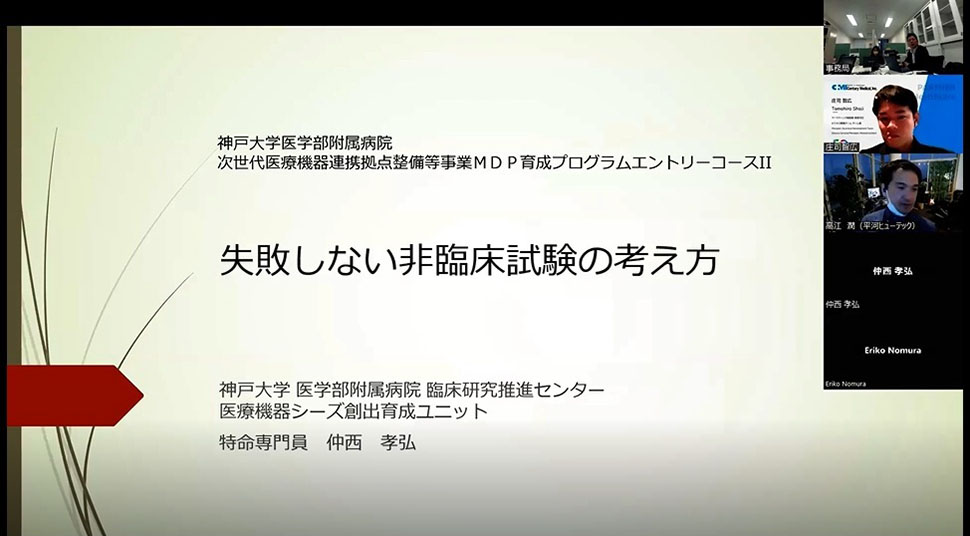
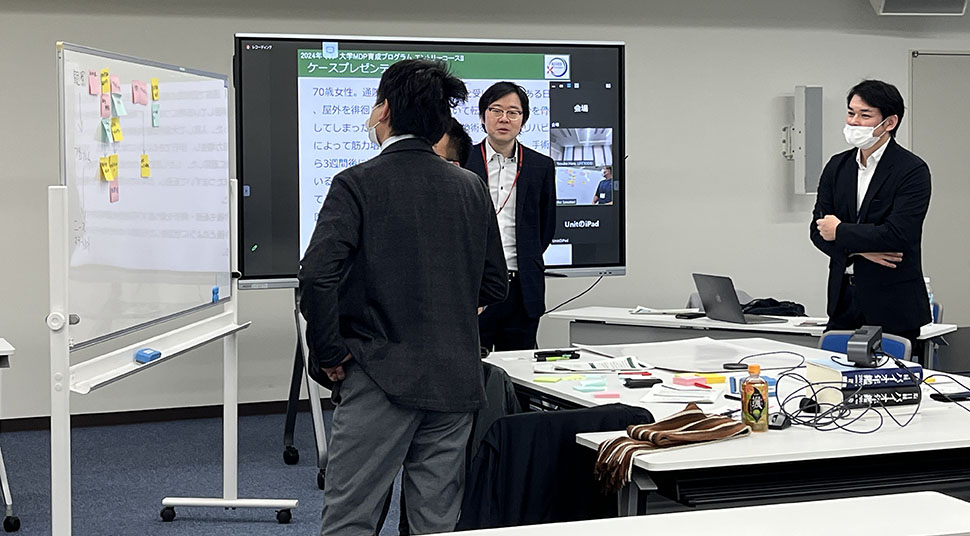
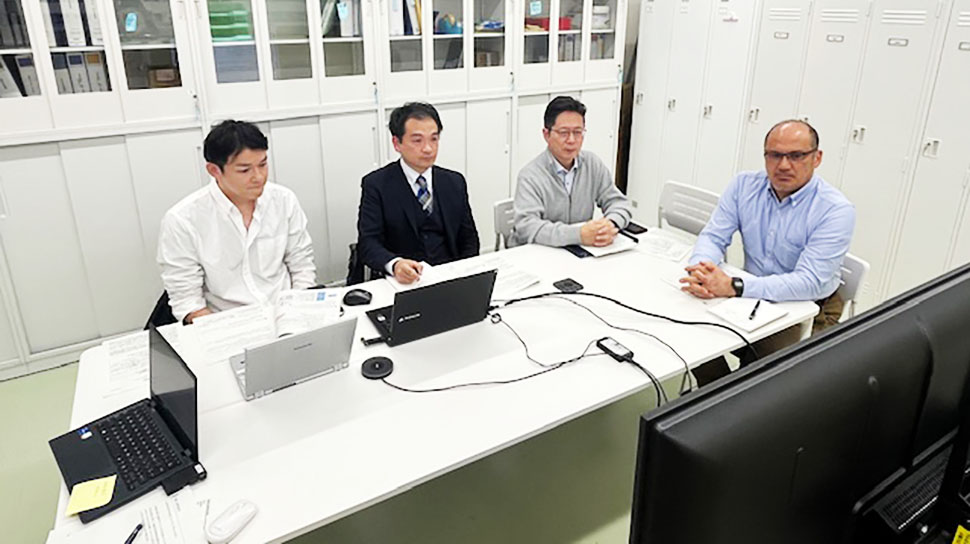
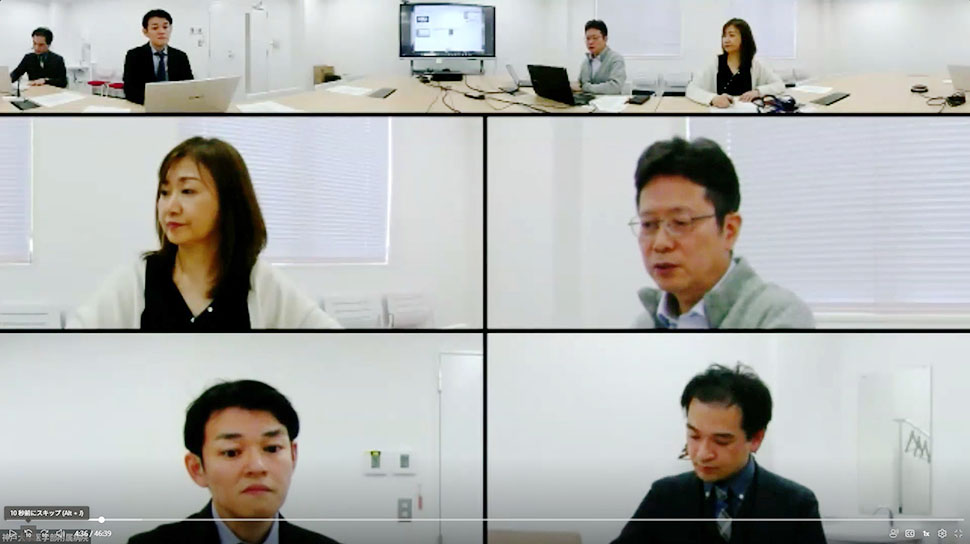
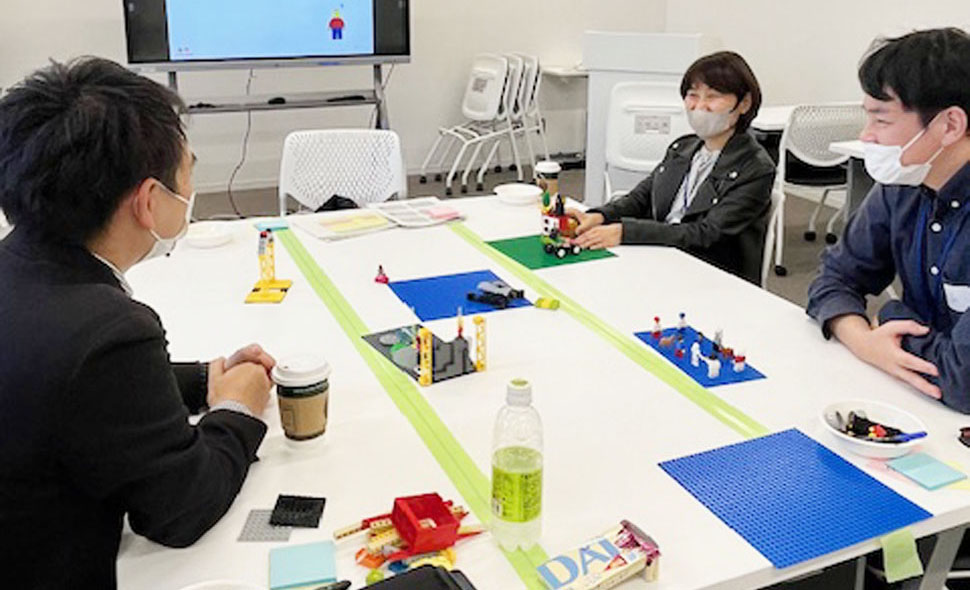
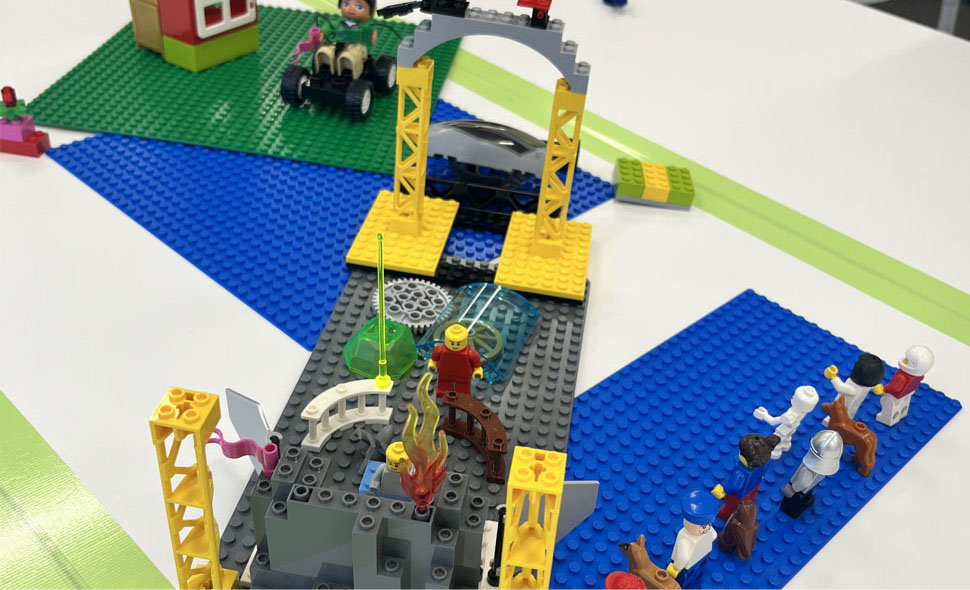
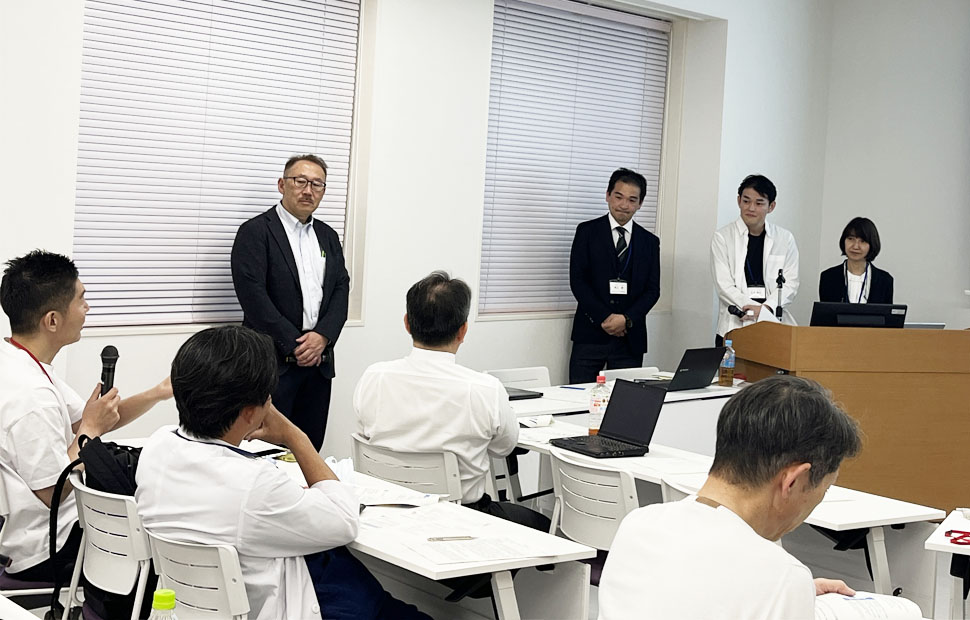
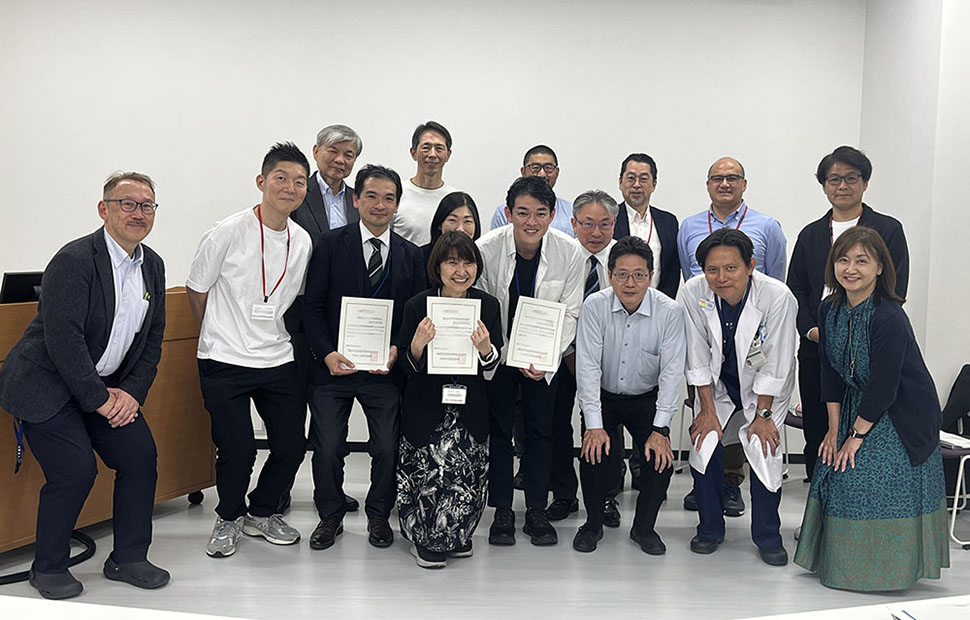
・Because participants came from very different backgrounds, we were able to gain a wide variety of opinions and perspectives.
・It was valuable to experience the entire flow of medical device development in a single, start-to-finish process, which allowed me to understand the necessity and interconnection of each phase.
・Since the group was small, the lecture sessions in the first half felt close and interactive, making it possible to ask practical, real-world questions.
・Because the theme was very focused, it was challenging to balance idea divergence and convergence as well as feasibility, and to coordinate schedules and tasks among participants.
・In the first half of the training, it would have been better if the role of the administrative office and tutors had been clearer, and quicker responses on Slack to posted questions.
・It was difficult to balance the training with my regular work. Although there were days I could not attend, it was helpful that I could later watch the materials and on-demand lecture recordings.
Clinical Site Visits
Having the opportunity to directly observe the environments where medical devices are actually used helped us to understand the needs and operational realities of the clinical setting more concretely. Additionally, conducting interviews on-site allowed us to gather real, immediate feedback from practitioners, which was an important experience for identifying practical usability and potential areas for improvement.
Simulated Consultations for Insurance Coverage / Regulatory Approval
Experiencing the simulated consultations for insurance coverage and regulatory approval provided a valuable opportunity to learn how to think from the perspective of reviewers. Through this, I gained insights that deepened my understanding of foundational investigations, experimental planning, data collection and organization, and how to determine the overall direction in product development.
Interviews with Physicians, Development Strategy Meetings with Tutors, Simulated Consultations for Insurance Coverage, and Preparation of the Final Report
I came to understand that the products used in clinical settings are developed through such a long and detailed process. I also learned about the processes necessary for advancing development in the field of nursing.
・My approach to product planning in practical work has expanded significantly. In the medical device field in particular, I am now able to think more deeply about the usage environment, the perspective of PMDA review, and the marketability of each project. As a result, the accuracy and quality of my work have improved, leading to more meaningful outcomes.
・I realized that although I gain insights, I have a tendency to want immediate results and quick problem-solving.